Blog By Trevor Gore, Self-Care Forum Treasurer
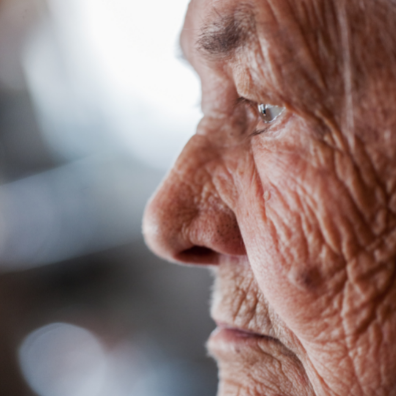
As populations age around the world, the relationship between wellness, ageing, and self-care is becoming impossible to ignore. I recently contributed to a report exploring these themes as part of the Global Wellness Institute’s Ageing Well Initiative, which focuses on understanding the needs and preferences of people aged 50+. The goal is not simply to help people live longer, but to support the conditions that allow them to live well for longer. A key insight from the work is that the conversation about ageing is slowly shifting. Instead of focusing mainly on treating illness, the emphasis is increasingly on maintaining wellbeing, independence, and capability throughout later life. Self-Care at the Heart of Wellness.
The World Health Organization (WHO), and the Self-Care Forum, offer a helpful definition of self-care:
“the ability of individuals, families and communities to promote health, prevent disease, maintain health, and cope with illness and disability—with or without the support of a healthcare provider.”
The WHO and Self-Care Forum also highlight that self-care is supported by seven interconnected pillars: health literacy; mental wellbeing and self-awareness; physical activity; healthy eating; risk avoidance; good hygiene; and the responsible use of health products and services. Together, these pillars reinforce the idea that self-care is not just an occasional wellness practice but a continuous set of behaviours that support health across the lifespan. Seen this way, wellness becomes less about avoiding illness and more about maintaining the ability to do the things that matter to you. Can you stay active, connected, and engaged in the activities you enjoy? Increasingly, these everyday capabilities are seen as key indicators of healthy ageing.
Ageing Well Is Also a Social Issue
Self-care matters, but it does not happen in isolation. One challenge highlighted in the report is that many of our societies are not designed with ageing populations in mind. Cities, workplaces, and services often assume younger users, even though older adults increasingly want to remain active and independent for longer. Creating environments that support autonomy and dignity, through accessible spaces, supportive communities, and opportunities for continued participation, can make a significant difference to wellbeing. There are also interesting cultural dynamics at play. In many societies, ageing is still framed through the lens of youthfulness. Women often associate ageing well with maintaining appearance and a youthful attitude, while men tend to link it to fitness and physical capability. I write this just after International Women’s Day, but there are still worrying discrepancies between the sexes when it comes to ageing and illness/self-care. When illness occurs within couples, caregiving patterns often shift, where women are far more likely to take on caregiving roles, and men are statistically more likely to withdraw from them. These patterns underline an important point that wellness in later life is shaped as much by social expectations as by individual behaviour.
How Behavioural Economics Could Help
One promising approach to strengthening self-care comes from behavioural economics, which looks at how people actually make decisions. Even when we know what supports health, exercise, preventive check-ups, social engagement, we often delay or avoid these behaviours. Behavioural economics suggests small changes in how choices are structured can help people adopt healthier habits.
For example:
- Automatic scheduling of preventive health screenings can increase participation.
- Social programs and group activities can harness peer influence to encourage healthy behaviours.
- Commitment tools or reminders can help people maintain exercise or wellness routines.
These small “nudges” can make preventive behaviours easier and more consistent.
Living Well for Longer
The key message from the Aging Well work is simple but powerful. Ageing well is not just about medical care, it is about supporting people’s ability to live meaningful, active lives as they grow older. Self-care forms the foundation, but societies also need to create environments, policies, and cultural attitudes that make healthy choices easier and enable older adults to remain capable, connected, and valued members of their communities.