Blog by Dr Austen El-Osta, Self-Care Forum Trustee
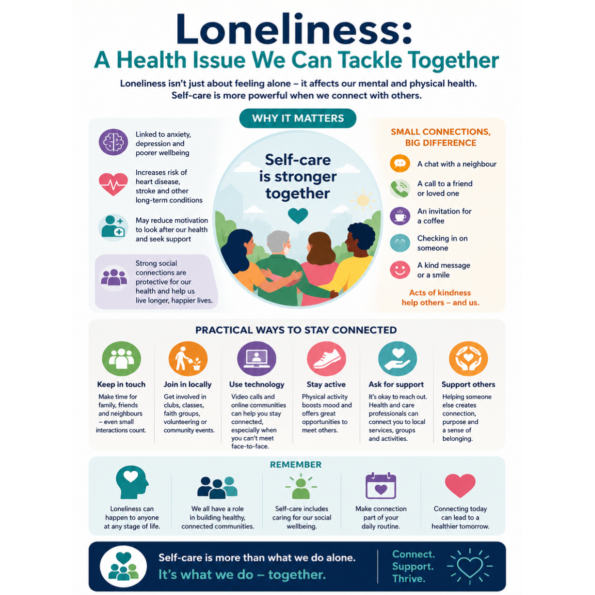
When we think about self-care, we often picture healthy eating, exercise, good sleep or taking medicines appropriately. These are all important, but there is another aspect of health that is just as fundamental and often overlooked: our social connections.
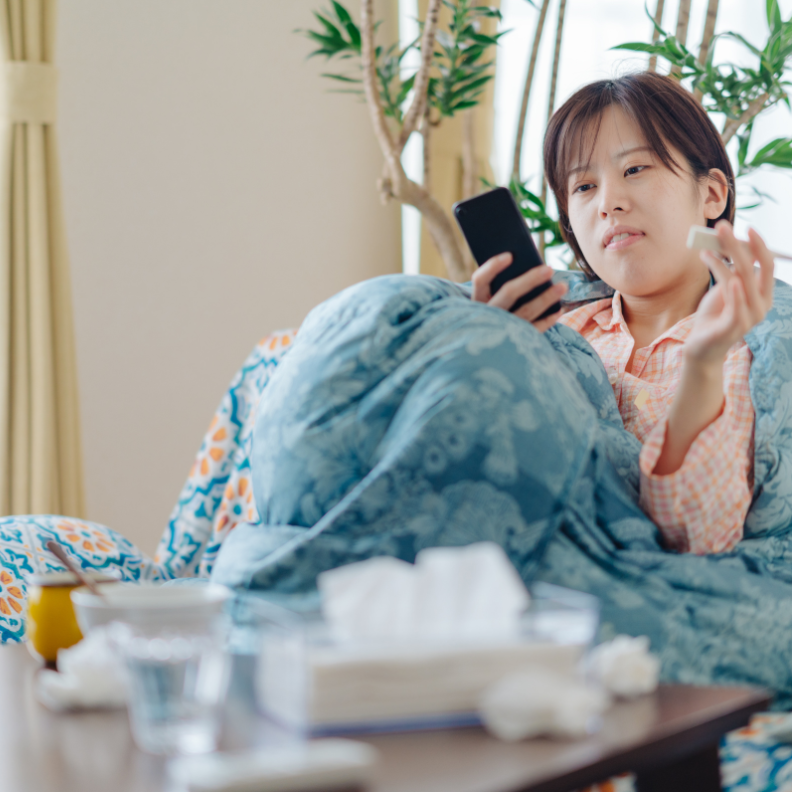
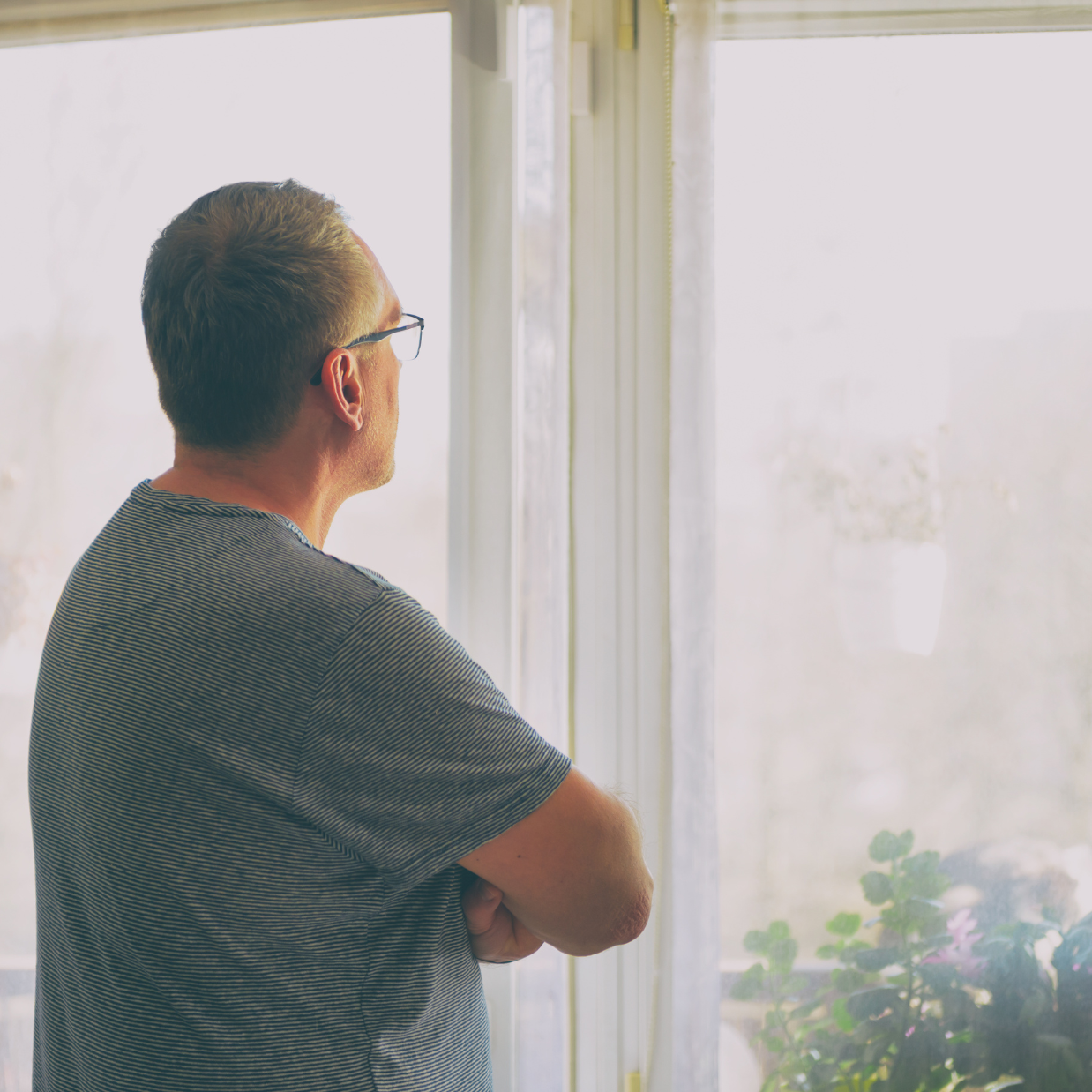
Loneliness is a normal human experience. Most of us will feel lonely at some point in our lives, whether following bereavement, retirement, illness, moving home, relationship breakdown or simply during periods of transition. Feeling lonely from time to time is not unusual. However, when loneliness becomes persistent, it can have profound effects on both physical and mental health.
Research over the past decade has consistently shown that prolonged loneliness is associated with poorer wellbeing, increased anxiety and depression, lower quality of life and a greater risk of developing long-term health conditions. It can also influence how people engage with healthcare, reducing confidence in managing their own health and making it harder to adopt healthy behaviours.
This is why loneliness should not be viewed solely as a social issue. It is also a public health issue and an important consideration for anyone interested in self-care.
Good self-care depends on more than knowledge or motivation. It is influenced by the environment in which we live, the resources available to us, and the people around us. Family, friends, neighbours, community groups, voluntary organisations and healthcare professionals all play an important role in creating the conditions that enable people to look after their health.
What the evidence shows
Earlier this year, we published initial findings from the Measuring Loneliness in the UK (INTERACT) study, which is the largest global study on loneliness to date. More than 230,000 people took part, providing valuable insights into how loneliness affects people across different ages and circumstances. While the findings confirmed that loneliness remains a significant challenge, they also highlighted something encouraging: social connectedness and strong community relationships are closely associated with better wellbeing and greater resilience. Emerging evidence from the INTERACT study also suggests that loneliness is not experienced uniformly throughout the day since reports of loneliness were lowest in the morning and highest in the late afternoon and evening, highlighting the importance of ensuring that support and opportunities for social connection are available when people may need them most.
Self-care is stronger together
The good news is that there are many practical ways we can protect ourselves and others from the harmful effects of loneliness. The first is recognising that staying socially connected is an important part of maintaining good health. Just as we schedule time for physical activity, we should also make time to maintain relationships with family, friends and neighbours. Even small, regular interactions can make a meaningful difference. Secondly, participating in local activities can help build a stronger sense of belonging. Volunteering, joining community groups, attending exercise classes, participating in hobby clubs or simply visiting a local library or community café all provide opportunities to develop new social connections.
Technology can also help. Video calls, online communities and messaging platforms enable people to stay connected when distance, mobility or caring responsibilities make face-to-face contact difficult. Digital tools are not a replacement for human interaction, but they can provide valuable support, particularly when used alongside in-person relationships.
Healthcare professionals increasingly recognise the importance of social wellbeing. Through social prescribing, many people are now being connected with community activities, exercise groups, welfare advice, arts programmes and voluntary organisations that address the wider factors influencing health. These approaches recognise that improving health often requires more than medical treatment alone.
There is also something each of us can do for others. A phone call, an invitation for coffee, checking in on an older neighbour or simply taking the time for a conversation can have a lasting impact. Acts of kindness strengthen not only the wellbeing of those receiving them but also our own sense of purpose and connection.
The future is brighter when we get there together
As our population ages and more people live with long-term conditions, supporting social wellbeing will become increasingly important. Building healthier communities is not only about improving access to healthcare services; it is also about creating opportunities for people to remain connected, engaged and supported throughout their lives.
Self-care has always been about empowering people to take greater control of their health and wellbeing. But perhaps one of the most important lessons is that self-care is rarely something we do entirely by ourselves. The strongest foundations for good health are often built through our relationships with others. Looking after our social wellbeing may be one of the most valuable investments we can make for ourselves and for the health of our families, our communities and society as a whole.
Dr Austen El-Osta, Director, Self-Care Academic Research Unit (SCARU), Imperial College London