By Libby Whittaker, Self-Care Forum Manager
Public health campaigns have shaped the UK for nearly two centuries. Their power lies in their ability to change behaviour, shift culture and drive policy – a formula proven from Victorian sanitation reforms to modern NHS messaging.
Early Public Health Campaigns
Local and national authorities have issued public health advice as early as the medieval period, especially during epidemics such as plague. But one of the first recognisable public health campaigns emerged in the mid-1800s, led by activists in the “Health of Towns Association.” Through public meetings, lectures and publications they raised awareness of the health consequences of unsanitary conditions in Victorian Britain. Their efforts contributed directly to the Public Health Act of 1848 after which public health messaging became more structured. Local authorities began issuing regular advice focused on sanitation, infections disease control and vaccination.
Evolution of Public Health Campaigns
Since then, public health campaigns have evolved from simple warnings to more sophisticated behavioural change programmes shaped by our growing understanding of how to reach people effectively.
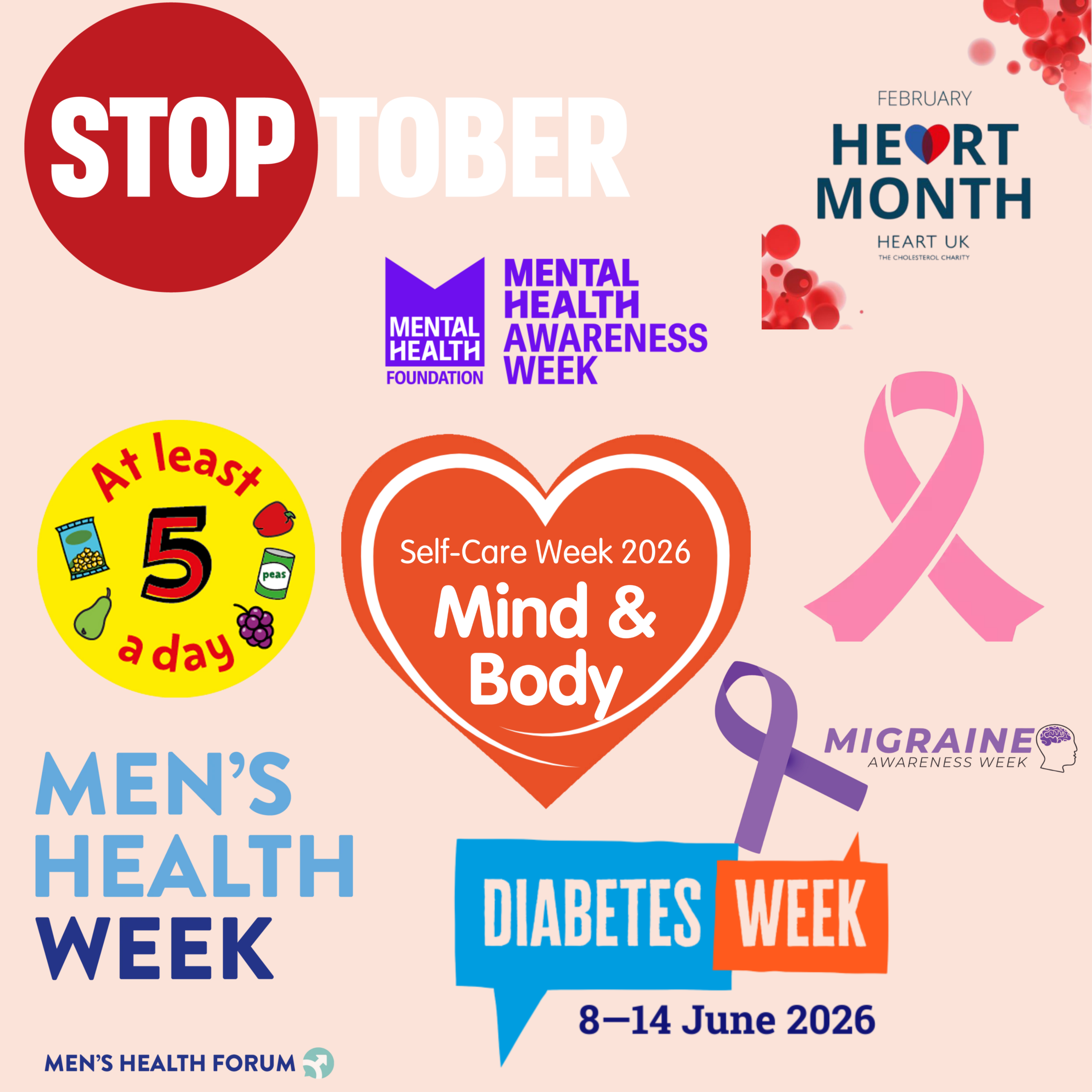
Campaigns such as the 1986 “AIDS: Don’t die of Ignorance” set the template for modern public health communications. The “5 A Day” campaign in 2002 influenced school food standards, supermarket labelling and public discourse around healthy eating. The 2007 “Smokefree” campaign supported smoke-free legislation and contributed to long-term declines in smoking prevalence.
More recently, COVID-19 represented the largest public health mobilisation in UK history. Multi-channel messaging across TV, radio, digital platforms and community networks it used behavioural insights to achieve one of the fastest mass vaccination rollouts globally. It demonstrated the power of consistent, repeated messaging.
Recipe for success
Across history, the recipe for a successful public health campaign has remained remarkably stable: deliver clear scientific messages through compelling media, build strategic alliances, shift cultural norms, seize political opportunity, define a clear problem and repeat simple actions consistently across trusted messengers.
Consistency matters. The Self-Care Forum’s recent joint research with Imperial College London’s SCARU (the Living Self-Care Survey Study) found that respondents did not remember NHS guidance on important public health information such as exercise recommendations or alcohol limits. This applies not only to the public but also to health professionals.
A drip feed of messages is essential to ensure they are noticed, remembered and acted upon.
National Self-Care Week (16 – 22 November)
National Self‑Care Week provides the perfect opportunity to raise awareness of self‑care and support people’s health literacy. Everyone working in health and public health can get involved as part of their aim to help people help themselves. It doesn’t have to be complicated — simple actions such as putting up posters, sharing social media posts, drafting blogs, or organising a coffee morning or walking event can make a meaningful difference.
Messages must be easy, timely, relevant and socially normal
But there is an important distinction, awareness is not the same as action. People can know what they should do and still not do it. Successful campaigns therefore need to think beyond the message itself, making the desired behaviour easy, timely, relevant and socially normal.
Baring this in mind, Self‑Care Week and other organised awareness‑raising events have the potential to be incredibly impactful especially when multiple organisations and individuals push the same self‑care message.
The Self‑Care Forum hopes that many health and public health organisations and individuals will take up the mantle for National Self‑Care Week and help shape behavioural change.
Tips for targeted self-care campaigns
- Keep messages simple and active “Got a sore throat? Use the Self-Care Forum’s fact sheets for trusted health information.”
- Use trusted local messengers Practice nurses, community pharmacists, link workers, and public health teams carry credibility.
- Ensure messages are reassuring, not dismissive “Self-care is safe for most common conditions.” “Here’s where to go for help.”
- Partner across sectors to increase local impact Community pharmacies and surgeries, schools and community centres, local authorities and local businesses.
- Give people tools and resources Self-Care Forum fact sheets, daily tips, videos, books, and symptom timelines.
- The real measure of a campaign is not how many people saw it, but what they subsequently did.
When health and public health professionals work together – across GP practices, pharmacies, councils, schools, and community organisations – campaigns become movements. They help people feel confident, capable, and informed. They turn knowledge into action. And they make self‑care not just an individual choice, but a shared social norm.
Conclusion
As we look ahead, the question is not whether public health campaigns work, history shows they do. The challenge is ensuring we design them with the behavioural intelligence, partnership working, and cultural awareness needed to meet today’s pressures. When we do, campaigns like Self‑Care Week can become powerful catalysts for healthier communities, stronger systems, and a more resilient public.