The nights are drawing in and the sun is sitting lower in the sky. At this time of year, sunlight in the UK is no longer strong enough to trigger vitamin D production in our skin. That means autumn is the ideal time to start taking a daily vitamin D supplement as a simple self-care action.
Vitamin D is Vital for our Health
Vitamin D is vital for healthy bones and teeth, good muscle function, and a strong immune system. Research shows that vitamin D levels naturally fall during the winter months and recover during spring and summer. While this seasonal pattern does not appear to cause problems for most people, maintaining adequate vitamin D levels may be more important for long-term health than previously recognised. This is why the UK Government recommends that adults consider taking a daily supplement containing 10 micrograms (µg), or 400 international units (IU), of vitamin D between October and March.
If you don’t get enough vitamin D it can lead to bone pain, muscle weakness, increased risk of falls and eventually leads to osteomalacia in adults and rickets in children. Some groups are at greater risk of vitamin D deficiency. These include people who spend very little time outdoors, such as those who are housebound, living in care homes, working night shifts, or spending most of the day indoors. Risk is also higher in people with darker skin tones, those who cover most of their skin outdoors, adults aged over 65 years, pregnant or breastfeeding women, people living with obesity, and those who have experienced multiple fractures. These groups should consider taking a vitamin D supplement throughout the year.
Foods rich in Vitamin D are not Enough
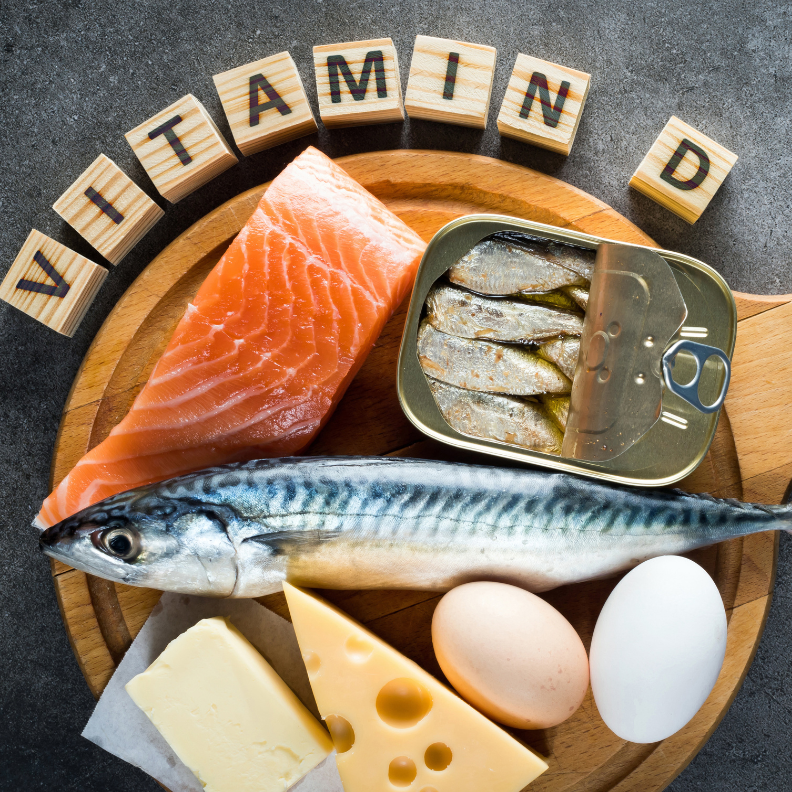
Vitamin D is unusual because it is one of the few nutrients that can be difficult to obtain in sufficient amounts from food alone. A few foods contain it and then only small amounts; these include oily fish (like salmon, mackerel, sardines or trout), egg yolks, and fortified foods (some dairy products have vitamin D added, also margarine and breakfast cereals are commonly fortified). Although these foods contribute to vitamin D intake, they rarely provide enough on their own to meet requirements during winter. This is why a supplement is recommended for us all during the winter, when no one in this country (UK and other northern European countries) can make enough vitamin D in their skin.
Self-Care Doesn’t have to be Complicated
Taking a vitamin D supplement is an example of an easy self-care action for most people. It is low cost, can be easily built into a daily routine (taking with breakfast or another meal), and takes only seconds to do each day. If stopping and starting in the spring and autumn interrupts a routine action, it doesn’t matter if you decide to take it all year. It is totally safe at the recommended dose; the only disadvantage is the small additional cost of continuing supplementation during the summer months.
Self-care does not always have to involve major lifestyle changes or complicated routines. Sometimes small, evidence-based actions can make a meaningful contribution to health. Taking vitamin D is one such action, helping to support healthy bones, muscles and immune function.
Choosing a vitamin D supplement can feel confusing given the wide range of products available. Look for one providing 10 micrograms (400IU) daily. Products labelled “Ultra”, “High Strength” or “Maximum Strength” are usually unnecessary for routine supplementation. More is not always better, especially when talking about vitamin supplements. You can take too much, so always follow label instructions and avoid taking excess doses. You should check any other supplements you are taking to see if they contain vitamin D too. Many multivitamins and cod liver oil include it, making a separate supplement unnecessary. Some people with a diagnosed deficiency or certain medical conditions may need higher doses but only under the guidance of a health care professional. Follow individualised advice from your healthcare provider.
Vitamin D2 and D3
Another source of confusion is the difference between vitamin D2 and vitamin D3. Most supplements contain vitamin D3, which may be slightly more effective at raising vitamin D levels. However, vitamin D2 is a suitable alternative for people following a vegan diet and can still help maintain adequate vitamin D status when taken regularly.
Myths around Vitamin D
There are many myths around nutrition and vitamin D is no exception. You might think
- “I eat healthily so I don’t need a supplement.” – Even a healthy balanced diet may not provide enough vitamin D, it is also about exposure of skin to sunlight.
- “I sit by a sunny window.” – Vitamin D production requires direct sunlight on the skin outdoors. The wavelengths needed are filtered out by glass.
- “I feel well so my level must be fine.” – Vitamin D deficiency often develops gradually and may not cause obvious symptoms.
As autumn approaches and daylight hours shorten, taking a daily 10 microgram (400 IU) vitamin D supplement is one of the simplest and most effective self-care actions adults can take. Starting now can help maintain healthy vitamin D levels throughout the months when the UK sun is unable to provide enough